


Scouting New Locations: Tools and Tactics
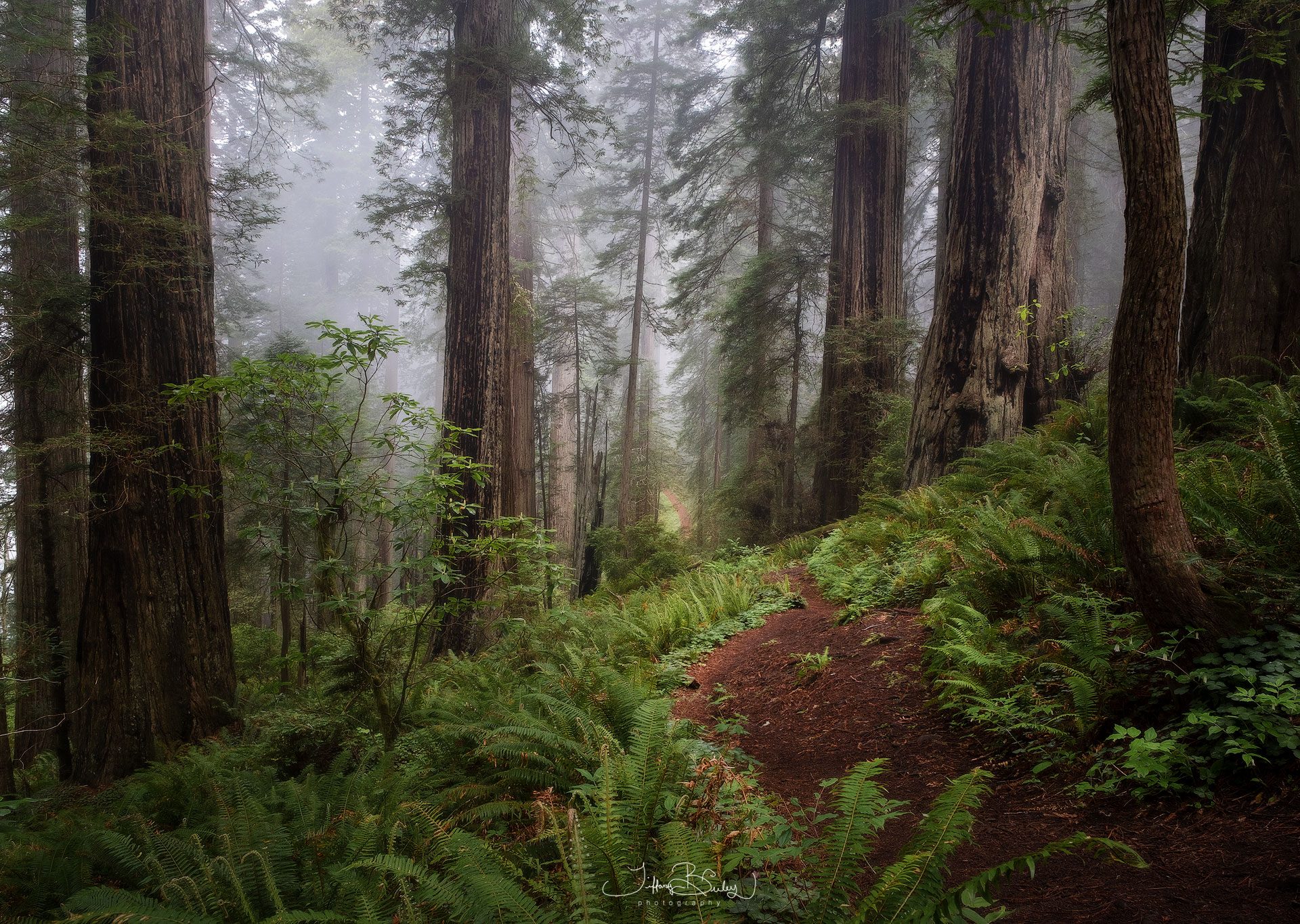
This morning I have the luxury of being at my desk. This space is more library than a traditional office. A bookshelf lines one wall with antique books dated between the 1600’s and early 1900’s. On another wall is a fireplace and above it a framed picture of Charles Dickens writing room published in Harper’s Bazaar in the 1800’s. On the other side of the wall, you’ll find framed photographs of my great grandfather who was a preacher and an acrobat. An amusing and glorious combination. He was also a painter and two of his original pieces hang on my wall with one of my own oil paintings hanging below.
You’ve now had a tour of my office. And this morning if you were sitting next to me in a deep plush leather chair we would be talking about scouting because next on my task list is just that.
On photo workshops or in the mentoring community I host, I’m commonly asked about how I do my scouting. The reality is finding new locations is just as important as the photographs.
Pull up your own plush chair while I share with you some of my favorite scouting memories and tips, because scouting doesn’t start in the field – it begins right here in my library long before I set foot on the trail.
Location Organization
A large iMac sits in an alcove on top of an antique desk in the corner. When a location comes into my radar, I immediately start a digital folder on my computer and begin slowly acquiring information on the area long before a trip is even scheduled. If I see a beautiful place on tv, social media, or the news I take note of it (literally). If a trip is coming up, I’ll begin scouting from my office up to a year in advance. It’s not a process I’m interested in rushing and by giving myself ample time, it leaves room for the information to find me.
Historical Research
Once a location locks itself firmly into my heart, I’ll begin doing historical research on the area. To host a successful workshop or take beautiful images, I have to love the land. Nothing helps me fall in love more than understanding its history—the events that shaped its culture and the traditions of those who have called it home. I immensely enjoy audiobooks and with my library card I have the Hoopla app on my phone that gives me free access to thousands of audiobooks. In a recent trip to Utah, I discovered a hard-to-reach location that’s notorious for iconic gangs in the 1800’s. This remote area was excellent for hideouts because of the canyons and caves. This location was moved to the top of my list for scouting. I wouldn’t have learned about it without historical documentation.
Satellite Imagery
After a trip has been planned, I’ll begin gathering my previous research and start studying satellite imagery and maps of the area I’m planning to visit. I’ll drop pins and make notes in a folder of areas that might hold land anomalies or historic places that could be interesting.
Create an Itinerary, Hold It Loosely
Before leaving, I’ll arrange a loose itinerary or check list of locations I want to be sure to visit. Typically, I’ll rate the locations at the time that I save them so I know to prioritize ones I have the most confidence in. Once I have a solid understanding of the land’s history and potential, the real adventure begins – translating research into trails on the ground.
Use The Light, Don’t Waste the Day
Once I arrive on location, I’ll use my first day (or two) photographing in known areas in the best light (sunrise or sunset). During mid-day harsh light, I’ll begin working through my list of notes that I acquired in my office research.
Get to Know The Locals
A priceless form of information is making friends with locals. There’s no amount of research that can compare with getting to know a local. If I see an interesting picture on a wall, I’ll ask where that location might be. Once they know that I’m on an adventure to capture the landscape of their home, they are usually more than happy to point me in all sorts of directions I wasn’t aware of. More importantly they often become new friends.
Stay On The Lookout & Follow Your Gut
If I’m on my way to a location that looks interesting, but I pass a road that also looks intriguing, I’ll pull over and mark it. Some of my favorite locations have been found by following the bends of an unmarked road. However, chasing rabbit trails often takes a lot of time, so I’ll continue my current plan and circle back to the unmarked road that had been added to my list.
Get Out & Walk
Once I’ve found the area that appeared to have potential (rivers, formations, ridges, etc) I’ll lace up my hiking boots and start walking. All the research in the world is lost without getting out of the car and hiking.
Document Everything
By this time in my trip, I’ve found numerous new locations. I’ll begin making a note of each spot as I find it. I’ll write down the GPS coordinates, the direction of the sun and noting if it’s better at sunset, sunrise or mid-day. In addition, I’ll tag the location as Tier 1, Tier 2 or Tier 3. Tier 1 locations earn a prime spot during golden hour on a workshop itinerary. If it’s a Tier 2 or Tier 3, it’s something we’ll hit when and if the light allows.
Two Forms of Scouting
It’s important to note that there are two elements of scouting. Area based and composition based. Area based scouting begins in my office and continues when I land in the area. Composition scouting can only occur once I’ve started walking the land.
For area-based scouting, as mentioned above, I’m looking for waterfalls, mountain roads, vistas, cliffs, and meadows in the forest.
Composition based scouting occurs only when I’ve found an area that’s speaking to me. I begin to slow down, I’ll reach for my camera (without a tripod) and I’ll start to wander the area, holding my camera up and looking at different compositions through the LCD screen. This is a deep dive into the heartbeat of an area.
In Summary
I shared in another blog post (The American Southwest) how I had two clients who had been to this area previously with other workshops. Being the people pleaser I am, I was bound and determined to find locations that I had never seen photographed before. In every location I visit, I’m always on the lookout for new locations and compositions but some locations are just extra special.
In Ouray, Colorado where I host a photo workshop in the San Juan mountains, I absolutely adore scouting. Old mining roads used for gold and silver in the 1800’s are still used today for off-roading making areas that would otherwise be hard to reach accessible. Mines are still scattered throughout along with cabins and other structures. The history in this area is rich (no pun intended) and I absolutely love discovering new stories while I’m looking for new locations.
I hope you’ll find these practices helpful as you begin your own scouting adventures. When in doubt, if an area makes your heartbeat faster, invest in it. Slow down, absorb it, make friends with locals, and take time to watch the changing light.
.



Bob Fielding
March 18, 2025Very interesting to understand the entire process! One thing that Tiffany is very modest about is her eye for composition and capturing a mood in the photograph!
TiffanyReedBriley
March 25, 2025Thank you friend! I so appreciate you and your encouragement means so much to me!