
Lessons From A Bee: What Nature Reveals About Slowing Down
Spring in Charleston is perhaps one of the most beautiful time of the year to visit. The flowers are blossoming and neighbors are stocking up on Allegra. And in our yard, my cherry blossom tree is showing off all her glorious white blossoms.
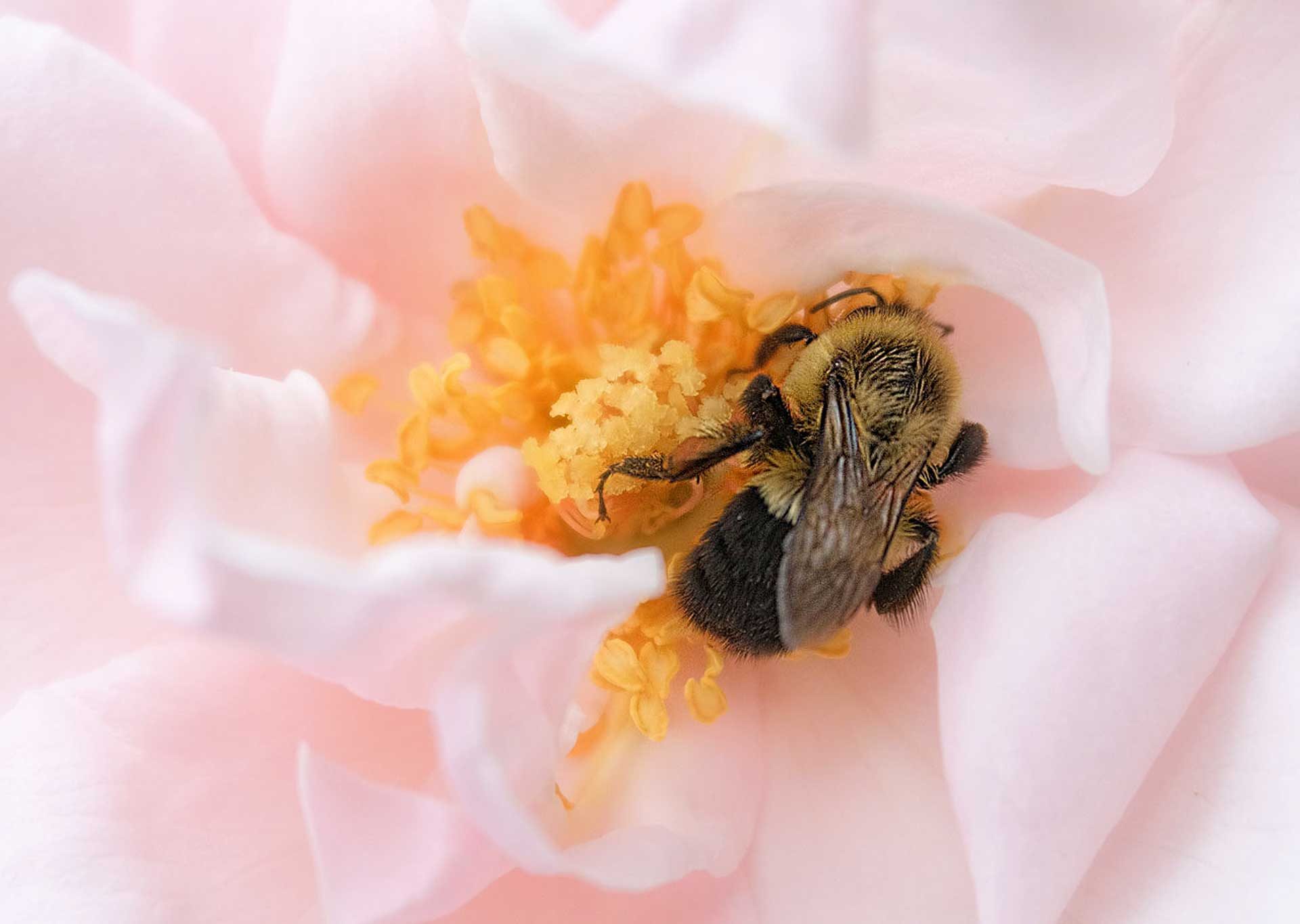
With all four of my dogs in tow, I walked into the front yard this morning and stood under the cherry blossom. The blooms were filled with visiting bees gathering nectar. I reached for my cell phone. Seeing beauty sparks an instinct to capture the moment. I paused, thinking about heading inside to greet my camera and macro lens. The dogs caught my attention, and counting wagging tails to make sure they were all accounted for, I turned my attention back to the bees. I noticed several different species were visiting. One large bumble bee held me captivated. Larger than all the rest, he stopped at one flower, lifted and settled into another for a long pause.
The Science of Rest: What the Bees Teach Us
Curiosity feeds my heart and so I returned to my library and began researching bees. These little insects live up to the coined phrase “busy bee”. With wings beating up to 230 times per second it takes a significant amount of energy to fly. If they are flying a long distance or carrying a lot of pollen, their little bodies generate heat. In order to keep going throughout their day, they fuel up on nectar but they also have to pause and rest. These little breaks may only last a few seconds or minutes. But if they find a little flower or leaf, they won’t hesitate to stop and take a breath. Bees are travelers who know the value of taking a breath mid-journey.
The Need for Rest: From Flight to Recovery
While bees may enjoy moments of micro-resting while going about their work day, at night they’ll return home to the hive for recovery. Studies show that when bees return to the hive, their body temperatures drop slightly and their antennae stop moving. This deep rest is essential for they memory consolidation, meaning they need sleep to remember where the best blooms are located.
One study showed that when a bee becomes sleep deprived, it will have trouble learning, navigating and even communicating. They use a “waggle dance” to direct other bees to flowers. When they become tired, their waggle dance can inadvertently mislead other bees.
The Ripple Effect: How We Can Learn From the Bees
I find it fascinating that even in the animal world, rest is required for clarity and communication.
Another interesting fact I learned was that artificial light can actually disrupt a honeybee’s sleep patterns that can cause behavioral issues. It was an easy comparison to make with humans and all the studies showing how time away from screens for bed produces better sleep results.
The Value of Rest
I’ve learned a lot about bees by spending a little time researching and I find that my appreciation for them has deepened. Bees are critical. Nearly 1/3 of the food we eat depends on pollination. Isn’t that astounding! Their daily dance from flower to flower is more than gathering nectar to sustain themselves, it’s a quiet transfer of life.
I wonder, does this little bee I’m staring up at know the significance of his work? I watch his wings flutter and I’m curious if he knows that the cup of tea I’ll have when I go inside is so much better with a little honey.
The Call to Slow Down: Lessons From the Bee
With my teacup in hand, I lift my spoon to gently mix the thick honey into the hot liquid. A poignant question hits the center of my heart: Do we realize that as we go about our day, that we have a grand opportunity to spread meaning and hope wherever we go?
There’s a lot I can learn from my tiny buzzing friends. There’s value in rest. While a great night’s sleep is important, so is giving ourselves permission to micro-rest throughout the day.
The bee needs rest for clarity and direction, along with making sure he’s sending the right signals to those around him. I don’t think we’re much different. Keith would tell you that coming straight off a workshop, it’s always best for me to lock myself away in a dark room and recover with solid rest.
It’s easy to jump from one thing to the next, without taking an inventory of just how much both our body and our mind need rest. Just like we have scientific studies about the need for bees to rest, we have even more studies that show our own need for balance, deep breaths and good solid rest.
Perhaps the bee has an advantage on us that they don’t overthink. Following their instincts ensures that they care for themselves in meaningful ways. They don’t wait until they’re exhausted to pause. Rest isn’t a reward for overwork—it’s a rhythm that sustains their whole way of being. I can’t help but wonder if we paid more attention and truly listened to our own instincts or the whispers of our body if we wouldn’t place more of a priority on slowing down.
The truth is, when we don’t slow down, rest and smell the roses, we miss out on beauty that like the bee, nourishes both our heart and soul while we give rest to our bodies.