

Discovering American Southwest
The holidays were over, and it was time for me to get back to work after a very short break. Another year was upon us, and it was time to pack my Jeep and head out on another adventure. This time, my journey would take me 2,000 miles directly west on I-40 to Moab, Utah.
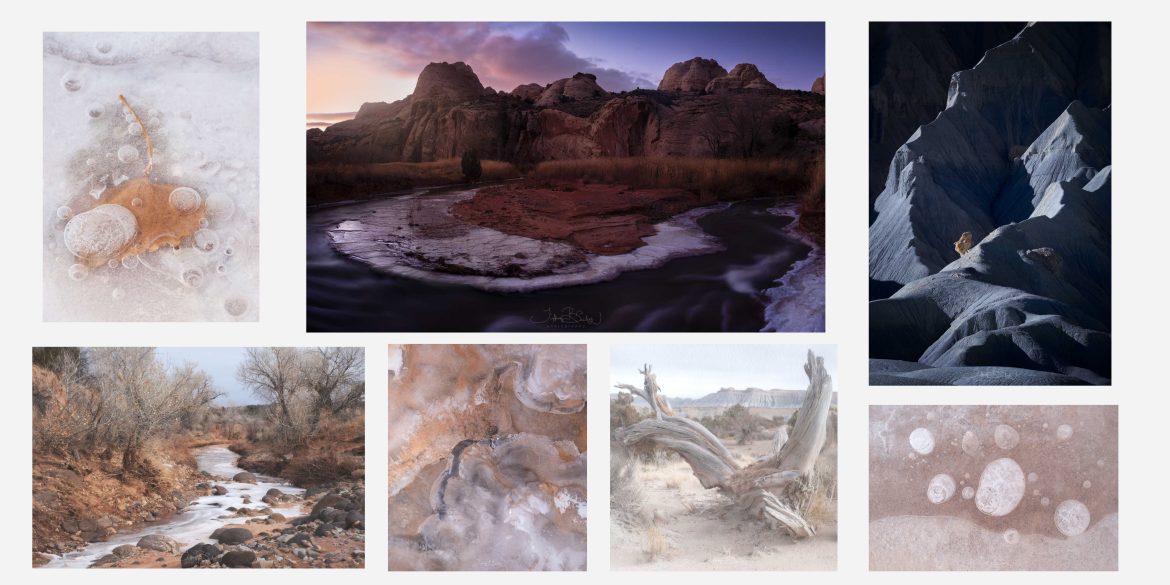
It was going to be ten days of exploration with a goal of finding places I’d never seen photographed.
A group of eight amazing photographers was preparing to meet me for a five-day workshop, and I had exactly 14 days to travel and conduct a thorough, in-depth scouting of an area that encompasses three national parks and more state parks than I could count.
Years ago, I’ll never forget the moment I saw famed nature photographer Mark Adamus camping in the dead of winter while guiding a workshop. That level of survivorship stayed with me for years, and the question lingered: “Did I have what it takes to camp in the winter?” For those of you who know me, you know that during the three months of autumn, I’m constantly bouncing from one state to another, camping from my Jeep. However, what I came to realize is that it’s all fun and games until extreme temperatures set in. In the Badlands, the heat in early September can be unbearable—would it be the same for the cold? Having grown up in Northern Alberta and being accustomed to -20°F weather, I thought it would be worth a shot. It was an opportunity for a brand-new adventure.
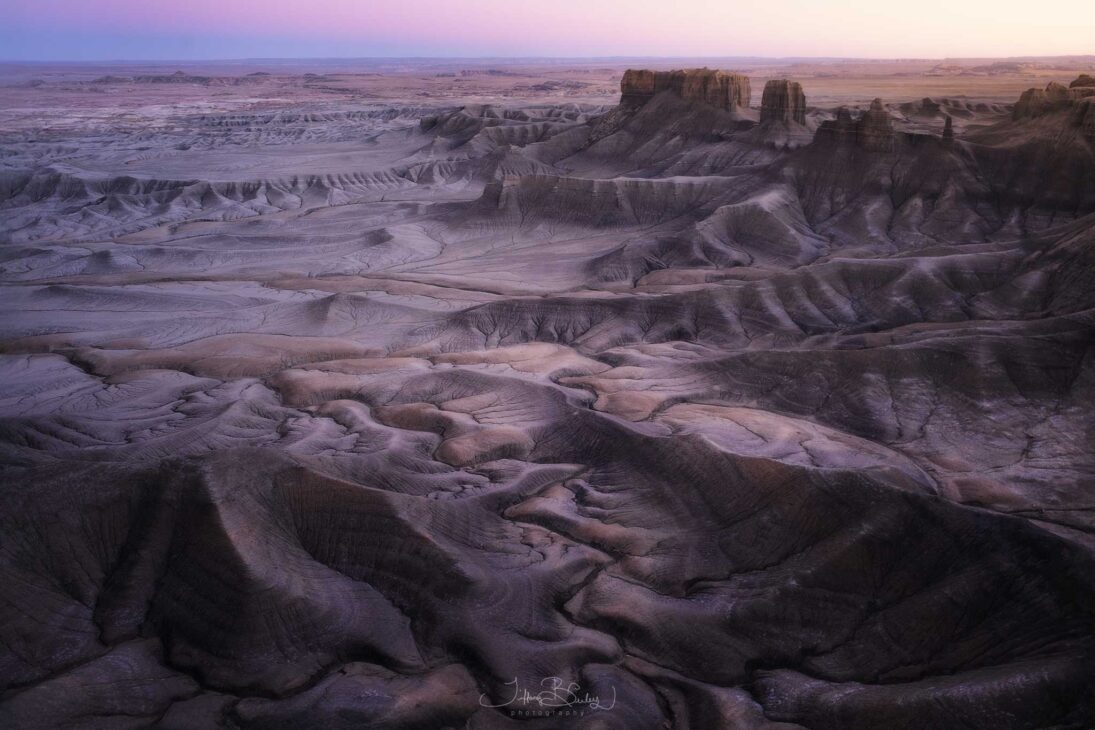
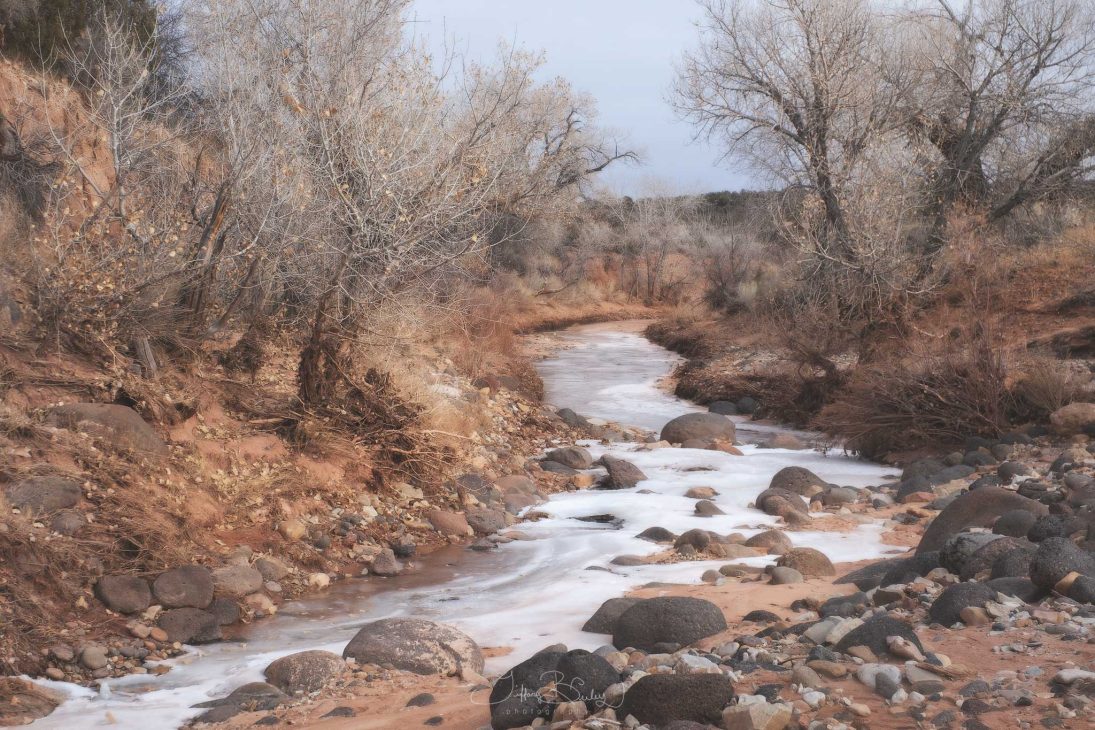
By this time, you might be wondering why I scheduled a workshop in January in the Moab area. I had only ever visited this region in the autumn, and while it’s spectacular—with cottonwoods painting the desert in vibrant golden colors—it’s also incredibly hot and crowded with tourists. I planned our January adventure in Southern Utah in the hopes of seeing snow covering the red rock and avoiding the crowds.
With the question of weather and temperatures at the front of my mind, I began loading the Jeep. A heating blanket plugged into my Jackery was my first priority. I added a queen sized duvet folded in half that was also a huge game changer. I tucked my Stanley cooler into the floorboard of my front passenger seat and its exclusive use was to protect my water bottles from freezing. As always I used my Roll Bar Storage Bags that hang from my roll bars that conveniently keep all my clothes for months of travel.
Once loaded it was time to set off.
I made it to Moab in two and a half days, mostly avoiding foul weather, and arrived at Dead Horse Point just in time for a fantastic sunset. If you haven’t been, add this location to the top of your list for your next adventure out west.
The American Southwest is a paradise for nature photographers, thanks to its abundance of breathtaking landscapes. In other regions of the world, I have to work hard to find awe-inspiring spots to create a robust itinerary for workshops. However, the challenge with Southern Utah was narrowing down the locations to only the “A-List” and categorizing each one by the best lighting conditions (sunrise, sunset, direct light, or overcast).
There was also a second challenge: several workshop attendees had visited this area before—either with other workshops or during their own travels. I wanted to provide them with unique locations, exploring lesser-known areas that hadn’t been widely captured before. I had spent over six months researching maps in my office, but now it was time to lace up my hiking boots.
Scouting Tip: Always make friends with locals.
As a side note, if you’re venturing out west and have a drone—or are considering getting one—this is a fantastic place to fly. Capturing video and images from high above this profoundly unique landscape is an absolute treat. Just be sure to abide by local laws, and remember that flying in national parks is strictly prohibited.
I didn’t linger long in Moab before heading one hour and 45 minutes southwest to Hanksville, where I based myself for four nights. A quick nod to my new friend Mario, who works at Stan’s Burger Shack—he made sure I was safe, not stuck anywhere, and had endless recommendations for places to explore. He also introduced me to Andy, the tow truck driver. I’m pleased to report that, although I saved his number just in case, I never had to make the call. Thank goodness, because cell phones didn’t work for most of the area anyway.
Here’s a quick Tiff Tip: Always make friends with locals.
Hanksville, Utah, originally called Graves Valley, was a favorite supply post for Butch Cassidy and the Wild Bunch. Their nearby hideout, Robbers Roost, is located just east of Hanksville and can be reached by four-wheel drive. One local shared with me that Butch’s name can still be found inscribed in a rock in the Robbers Roost area.
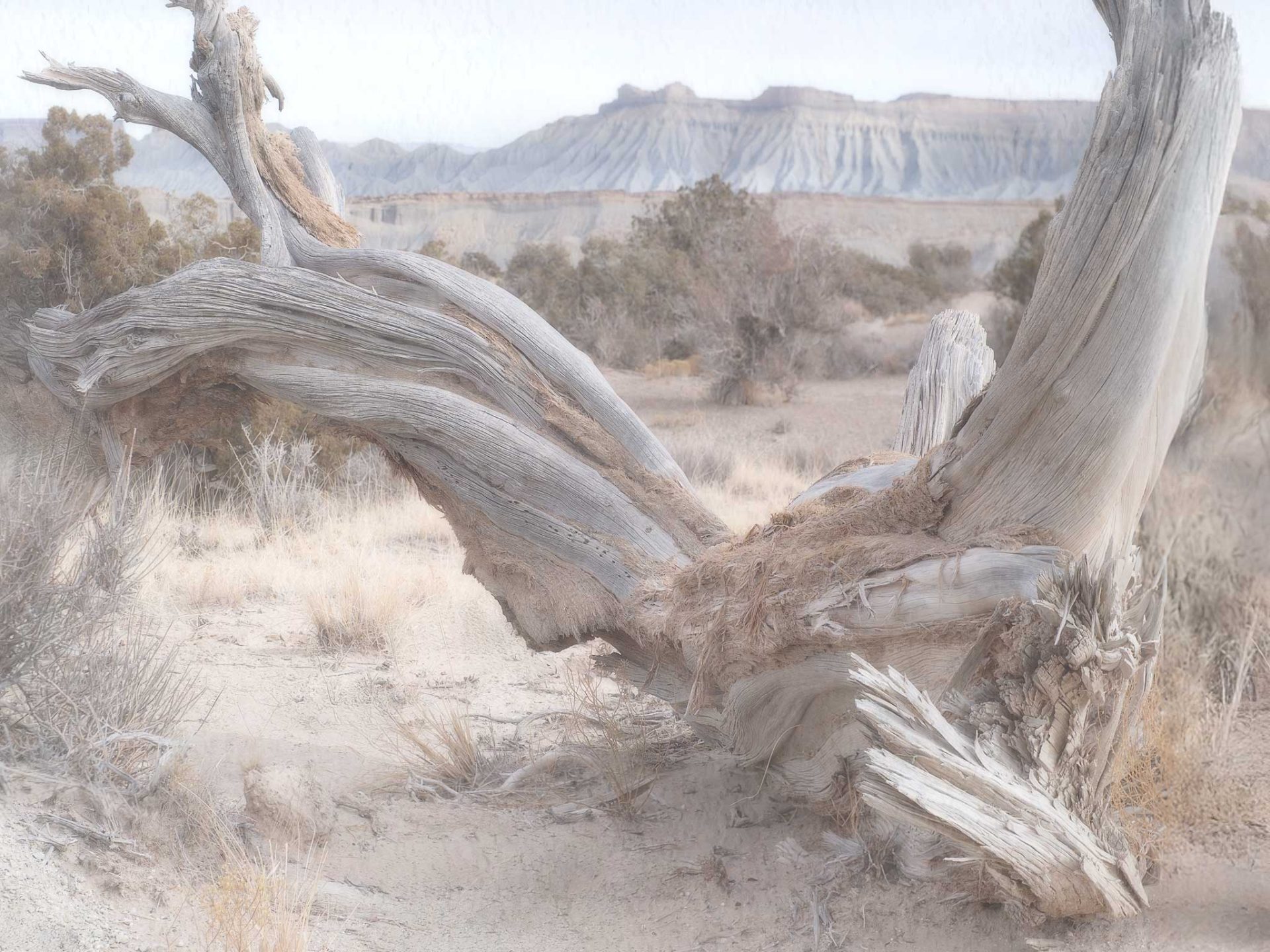
Some exceptional locations to explore include Goblin Valley, Factory Butte, the Henry Mountains, and one of the most underrated national parks—Capitol Reef National Park.
The research I had done in my home office, combined with advice from locals and my own on-foot exploration, resulted in an exceptional five-day itinerary with very happy guests.
A few highlights for me included discovering locations that had rarely been photographed and had never been seen before by my group, visiting a dear friend in Moab who is also a professional photographer, and, of course, spending time with locals.
At the end of the day, what makes me fall in love with a place isn’t just the landscape—it’s the people who live there and the culture they create. When you combine the beauty of nature, the rich history of exploration and adventure, and the charm of small towns, the journey becomes a breathtaking experience.